By Armaan Malhotra
Goa’s wetlands and mudflats are some of my favourite places to photograph birds. You arrive early, often before the surroundings are fully awake, and wait. A sandpiper appears along the water’s edge. A tern flies overhead. A wader begins searching through the mud for its breakfast.
On one recent birding visit, however, something else kept entering my frame.
Plastic.There were bottles, wrappers, pieces of discarded plastic and fishing waste scattered across the mudflat. Birds were moving between them as they searched for food. For us, it was garbage. For them, it had become part of their habitat.
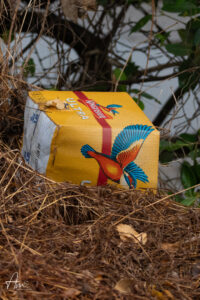
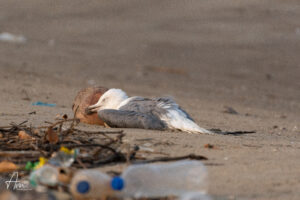
That distinction disturbed me. Wetlands and mudflats are vital feeding and resting grounds for resident as well as migratory birds. Waders depend on these shallow ecosystems for food. Yet when we litter these spaces, birds have little choice but to navigate through what we leave behind. During that visit, I saw a tern lying on the mudflat, struggling and seemingly close to death. I do not know what caused its condition and would not want to incorrectly attribute it to pollution. It could have been illness, injury or exhaustion. But there was something deeply unsettling about seeing a bird struggling for life while surrounded by human waste.
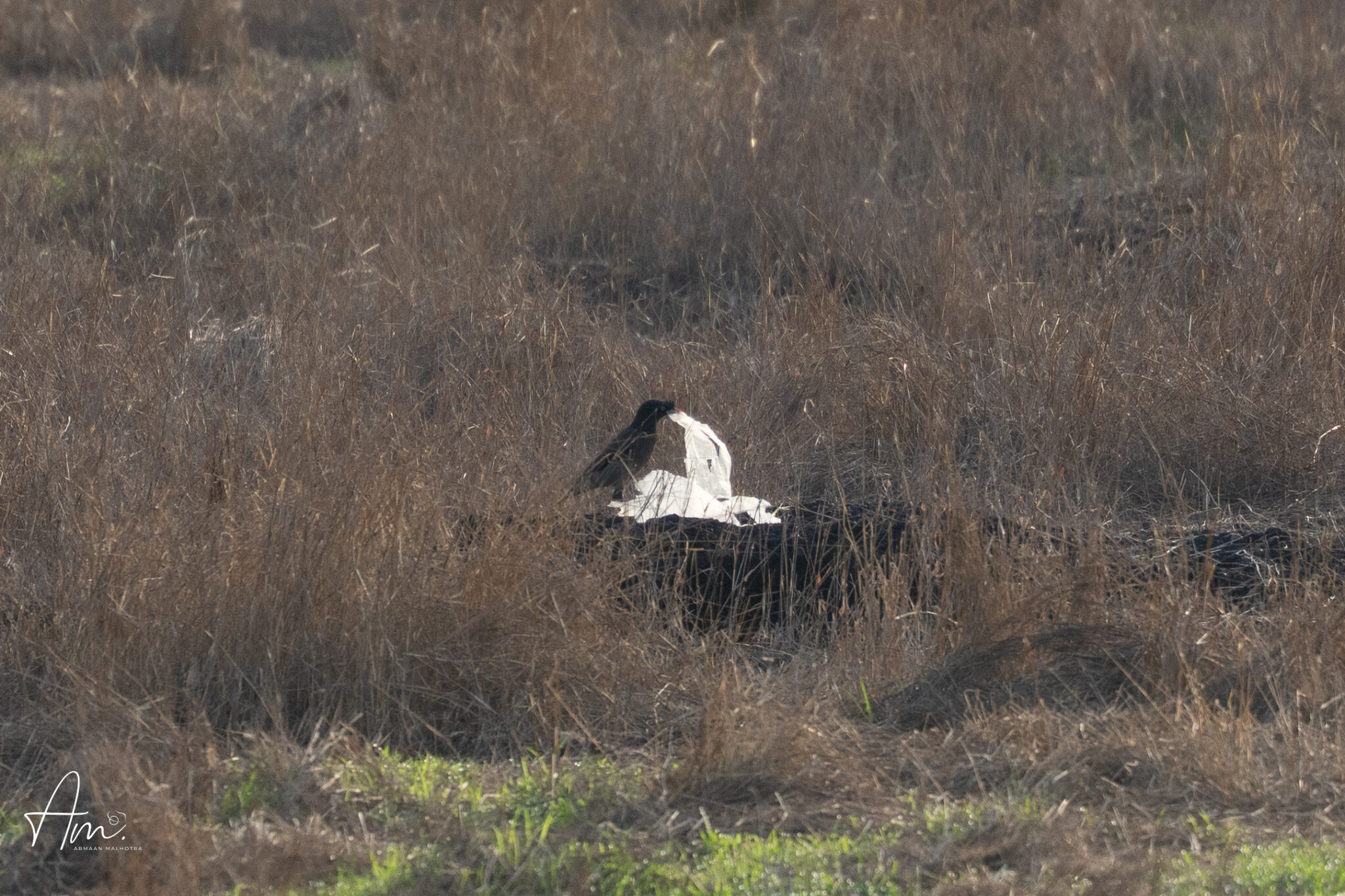
Later, I watched another wader moving through bottles and fragments of plastic. At one point, it appeared to pick at tiny pieces among the waste. I photographed the moment. Normally, getting an unusual photograph excites me. This one didn’t. It made me wonder how often birds encounter objects they cannot distinguish from food.
Plastic pollution presents several risks to birds. Small fragments can be mistaken for food, while discarded fishing lines and nets can entangle birds and prevent them from flying or feeding. What we throw away does not necessarily disappear when it leaves our hands.
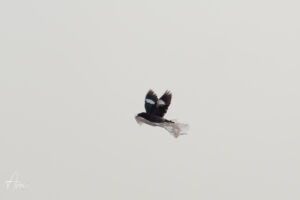
India’s birds are already facing considerable pressure. The State of India’s Birds 2023 assessment found widespread declines among the species studied. Habitat loss, pollution, changing land use, climate change and human disturbance are collectively altering the places birds depend upon.
Goa is fortunate to still have an extraordinary diversity of birdlife and habitats within relatively small distances. But that also means protecting these spaces cannot be someone else’s responsibility.
As birders and photographers, perhaps we have a particular role to play. We spend hours in places most people simply drive past. We notice when a habitat changes. We notice when garbage accumulates. We notice when a familiar bird stops appearing.
And while wildlife photography is usually about capturing beauty, sometimes our cameras need to document what isn’t beautiful. A bird beside a plastic bottle may never be the photograph I want to take. But perhaps it is sometimes the photograph that needs to be taken. Because a clean wetland isn’t merely more picturesque. It is a place where something is trying to survive.
The next time we leave a bottle, wrapper or piece of plastic behind near a beach, river or wetland, perhaps we should remember that after we leave, somebody else still lives there.

Author: Goa Samachar
GOA SAMACHAR (Newspaper in Rajbhasha ) is completely run by a team of woman and exemplifies Atamanirbhar Bharat, Swayampurna Goa and women-led development.