By Mini Ribeiro
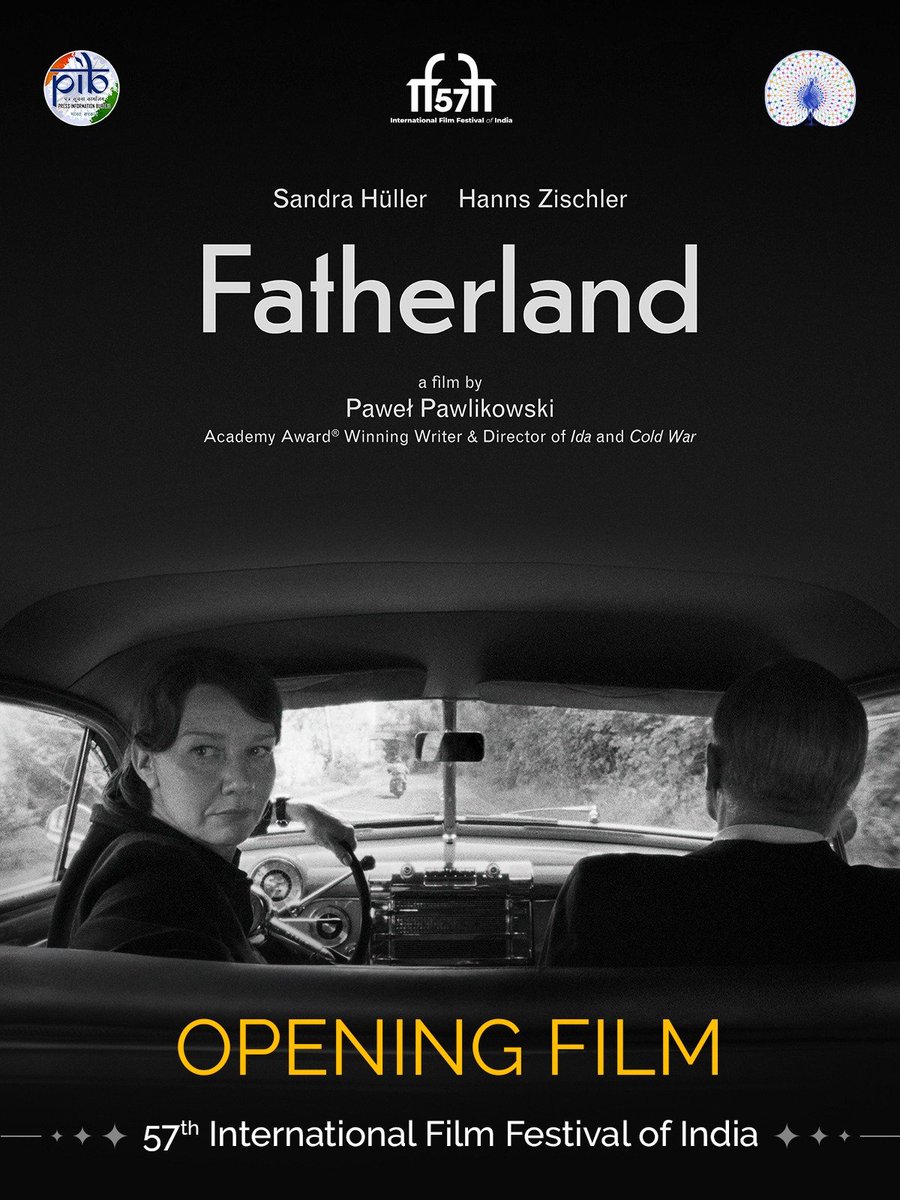
Fatherland is a quiet, black-and-white drama of 82 minutes from Polish director Paweł Pawlikowski. It is short, but it leaves a lot to think about. It won Pawlikowski, Best Director at Cannes and closes the historical trilogy that began with Ida and Cold War.
Theme
The film follows the writer Thomas Mann and his daughter Erika as they return to Germany after the war. On the surface it is a road trip, but instead of two people getting to know each other, it shows two people who already know each other far too well.
The bigger question is what a person owes their country. Mann left Germany and criticised it from abroad. Others stayed, made their peace and kept working, even under the Nazis. The film asks who has the right to judge whom, and whether art can ever stay apart from politics. It does not give easy answers. It also explores the relationship between a father and daughter who love each other but cannot quite say what they mean. Many of the truest moments between them happen in silence, which is poignant.
Acting
Sandra Hüller plays Erika, and she is the heart of the film. Her performance is replete with suppressed fury and emotional turmoil. She says little, yet you can read every thought on her face.
Hanns Zischler plays Thomas Mann with a calm, dignified stillness. He feels like a man used to being listened to, who now finds that the world no longer cares. Together, the two actors make a believable pair: close, but with old wounds between them. August Diehl and the supporting cast add to the film and there is one sharp scene where Erika meets her ex-husband, and slaps him.
Direction
Pawlikowski directs with great control. He does not rush and does not explain too much. Many scenes are held still, letting the audience sit with the discomfort. The film is visually static in sync with the trapped nature of its characters. The camera work by Łukasz Żal, is beautiful, capturing the essence of the film, but never flamboyant.
There is also a dry, gentle humour. Outside a hotel in Frankfurt, a cinema is showing a made-up film whose title means “the whispering of fate,” a small joke on the story itself. The film is serious, but it is not heavy or monotonous. It carries weighty ideas with a rare lightness.
Setting
The story is set in post-war Germany, a country in ruins and split in two. The wrecked buildings are well recreated, and the black-and-white look and narrow frame make it feel as if it could have been made in that era. The ruined cities, empty roads and crowded hotels show a nation in shock, trying to decide who it is now. One side is prosperous and the other is poverty stricken and the film suggests both are living with the same hidden grief.
The road trip structure works well here. Each stop shows a different face of the country: those who feel guilty, those who feel wronged and those who simply want to forget.
Final Verdict
Fatherland may seem small in size, but is big in thought. It is slow, serious and evocative, with a standout performance from Sandra Hüller. It is thoughtful, character-driven cinema and a story told through silences. Not everyone will love its stillness, but most will remember it long after it ends.
Rating: 4 out of 5




Author: Goa Samachar
GOA SAMACHAR (Newspaper in Rajbhasha ) is completely run by a team of woman and exemplifies Atamanirbhar Bharat, Swayampurna Goa and women-led development.